
Mike Pailliotet
Administrator
- Joined
- Oct 6, 2006
- Messages
- 117,241
Acquisition, Protection, and Operational Discipline
Equipment does not make you professional.
But poor equipment decisions will end your business quickly.
This chapter addresses three realities:
1. The Vessel: Start With Capacity
Your vehicle is not transportation.
It is infrastructure.
Attempting to run a professional operation out of a compact van or personal hatchback limits:
Extended-length cargo van (Chevy Express, similar class).
Ideal Standard
High-roof extended van or cube/box truck.
Standing room increases:
2. The Freeze Factor: Where Does It Sleep?
Before purchasing equipment, answer one question:
Where will it be stored in winter?
Every year, new operators buy rigs in summer and face catastrophic freeze damage by October.
The Physics
Water expands when frozen.
Your:
The Cost
Freeze damage repairs commonly range from $3,000–$8,000.
This is preventable.
Storage Requirements
Minimum:
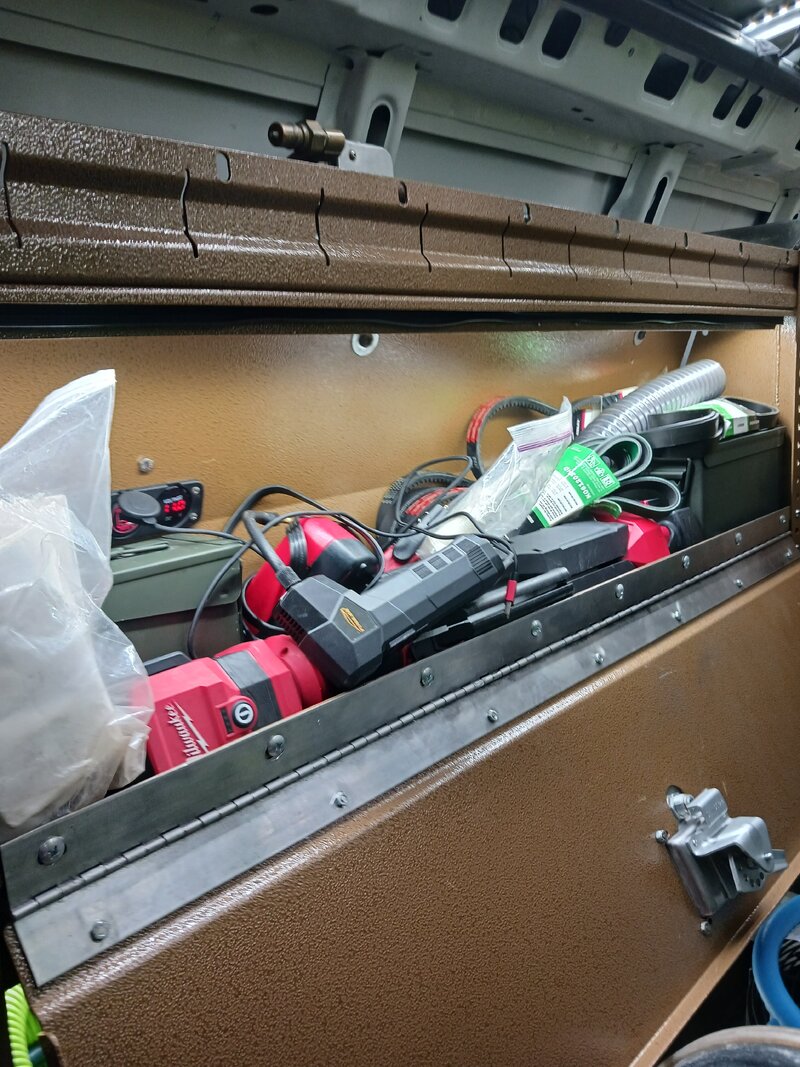
3. The Cockpit: Operational Layout
Your van is a workspace — not a storage locker.
Disorganization increases:
Do not create inaccessible voids behind reels or slide-ins.
If you cannot reach it easily, you will not use it efficiently.
Hose Management
Massive hose reels often consume unnecessary square footage.
Consider:
Modular Storage
Use dedicated totes for task categories:
4. Essential Redundancy
Professionals carry backups.
Vacuum Redundancy
Two upright vacuums minimum:
Protection Materials
Carry:
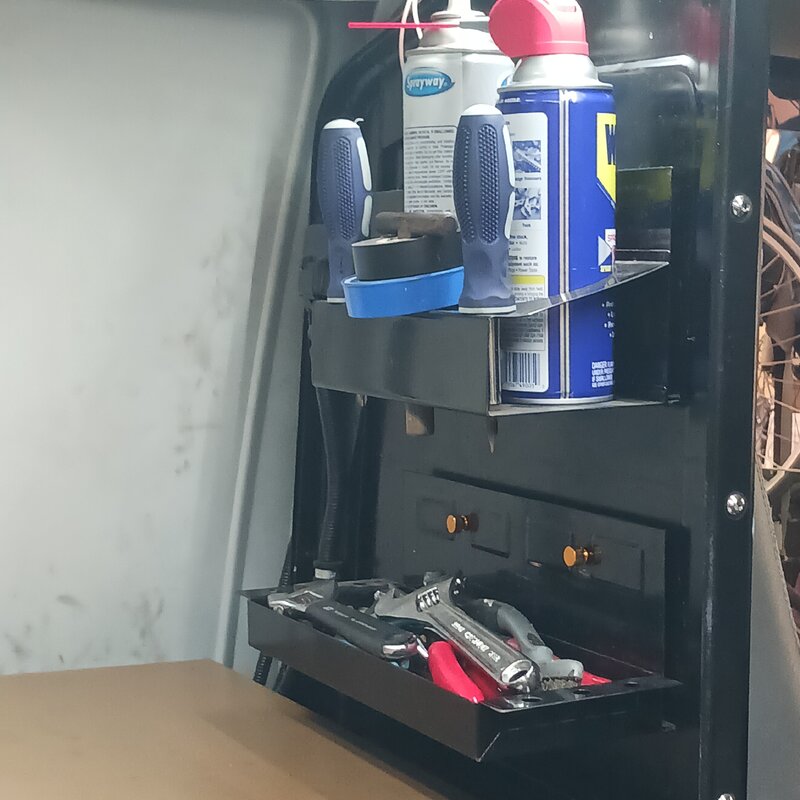
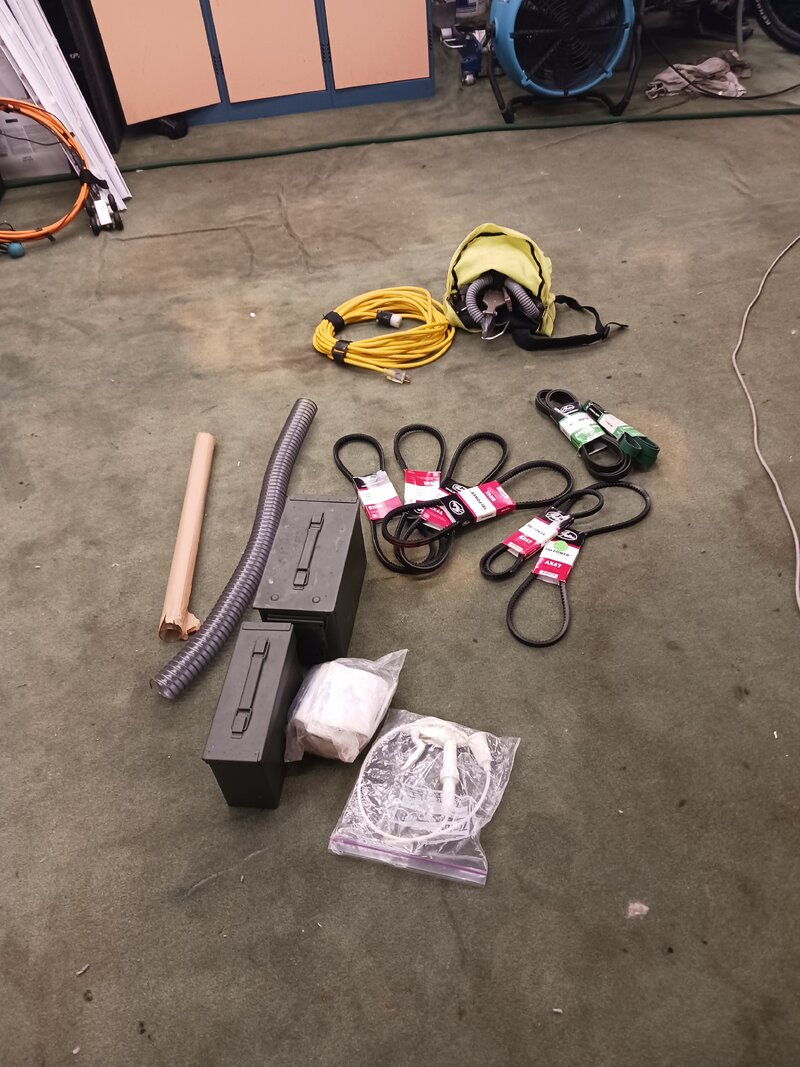
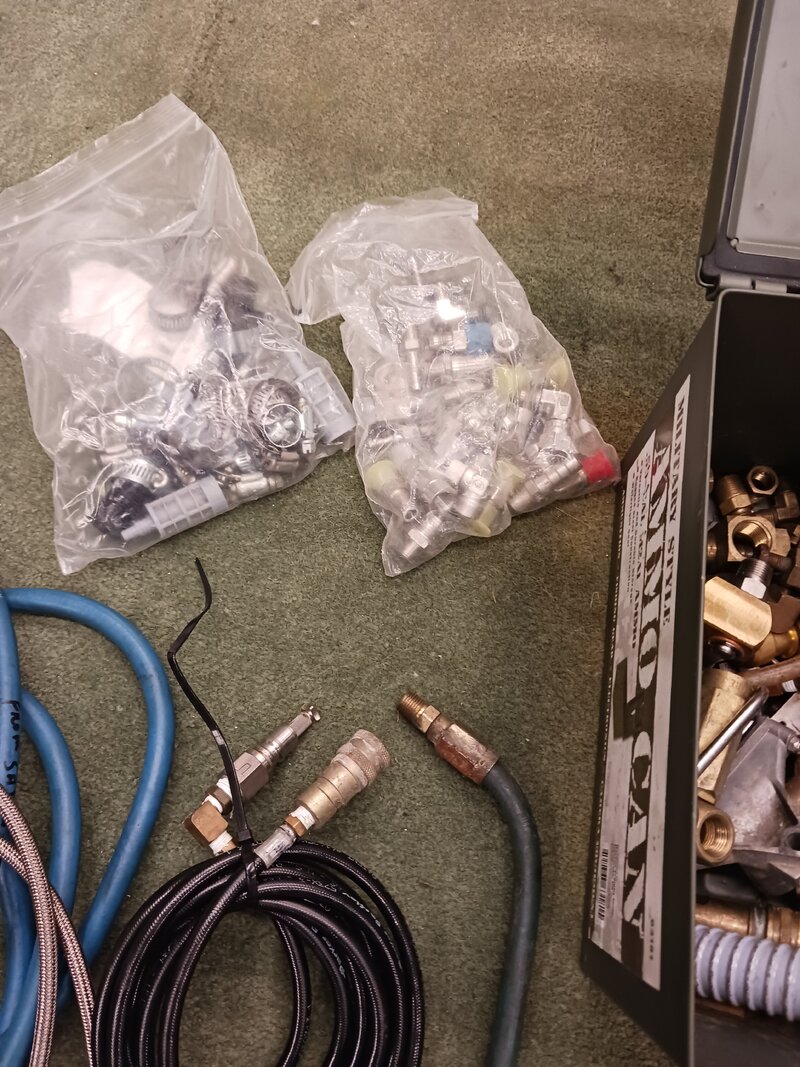
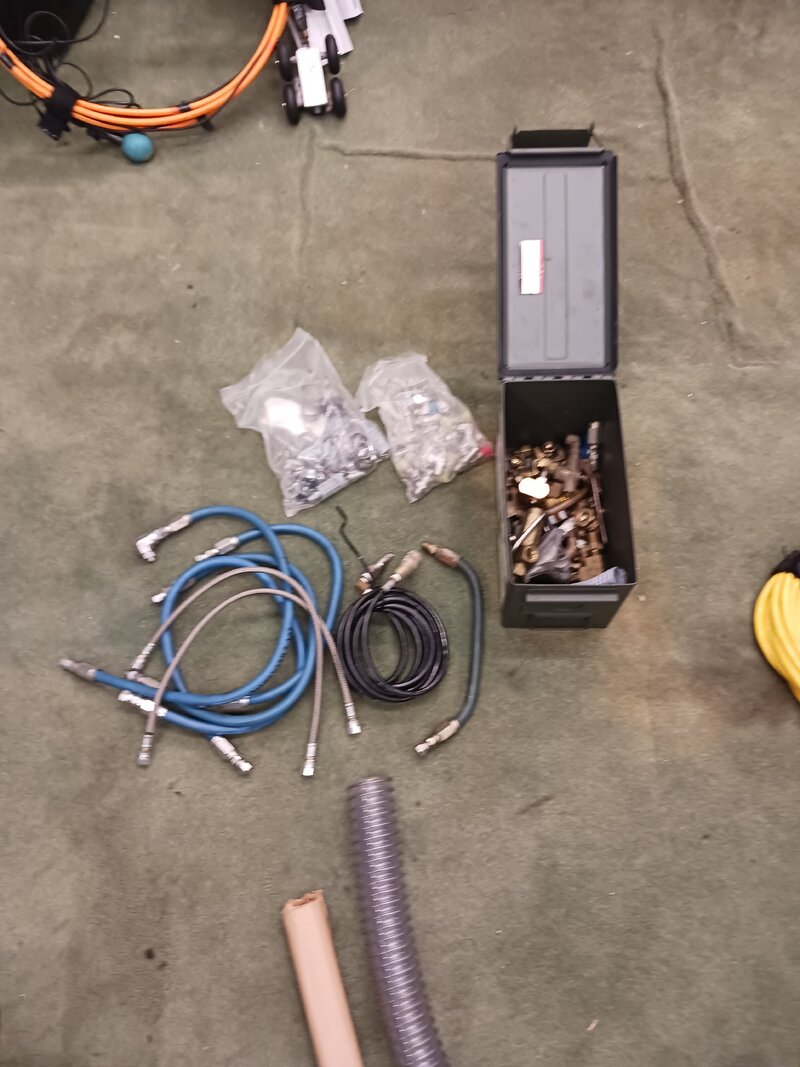
5. The Field Repair System
If you own equipment, you must be capable of maintaining it.
Downtime destroys momentum.
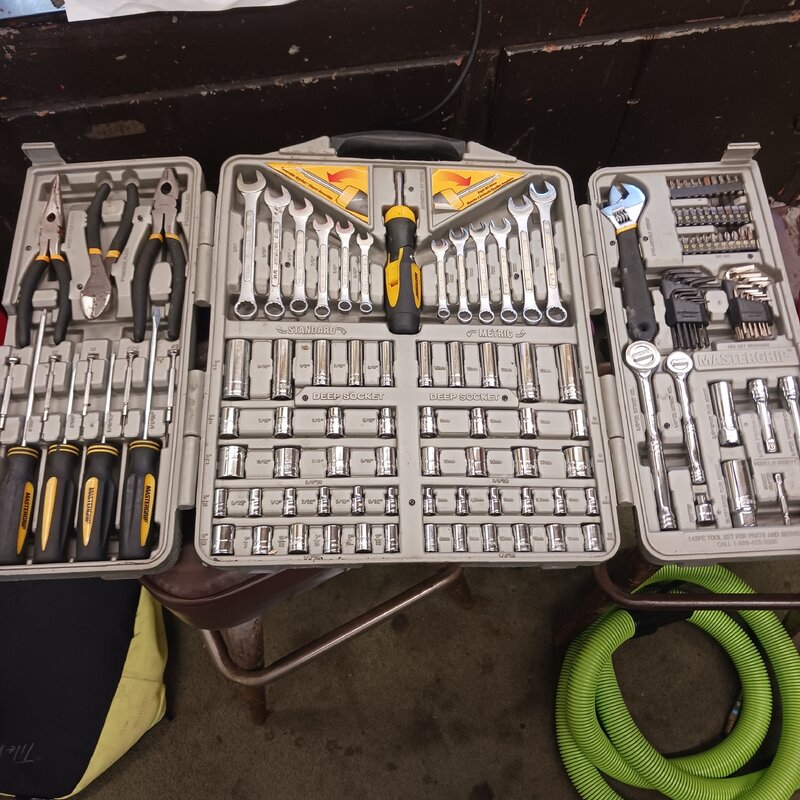
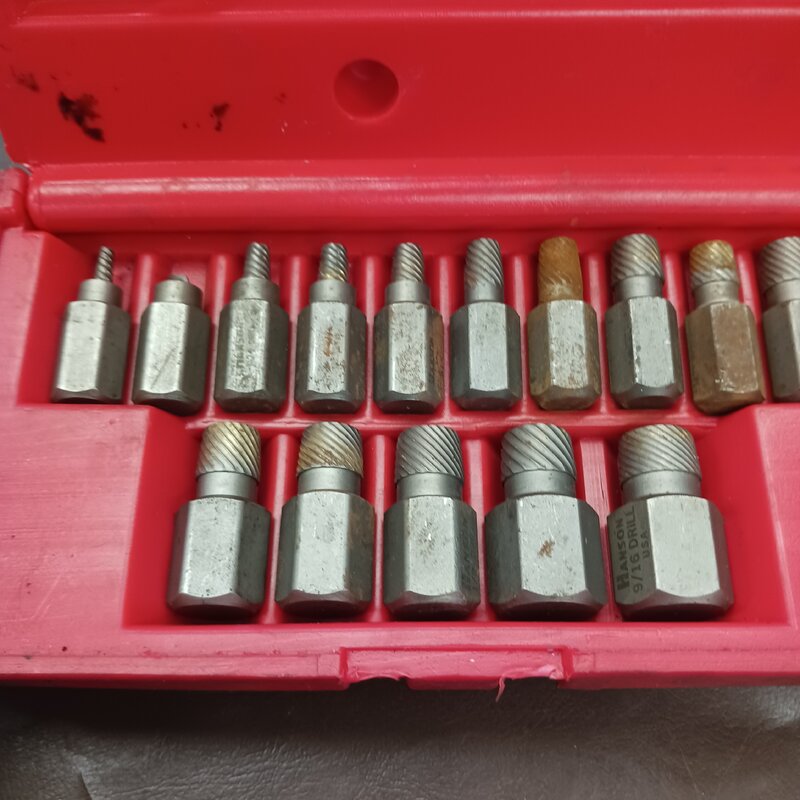
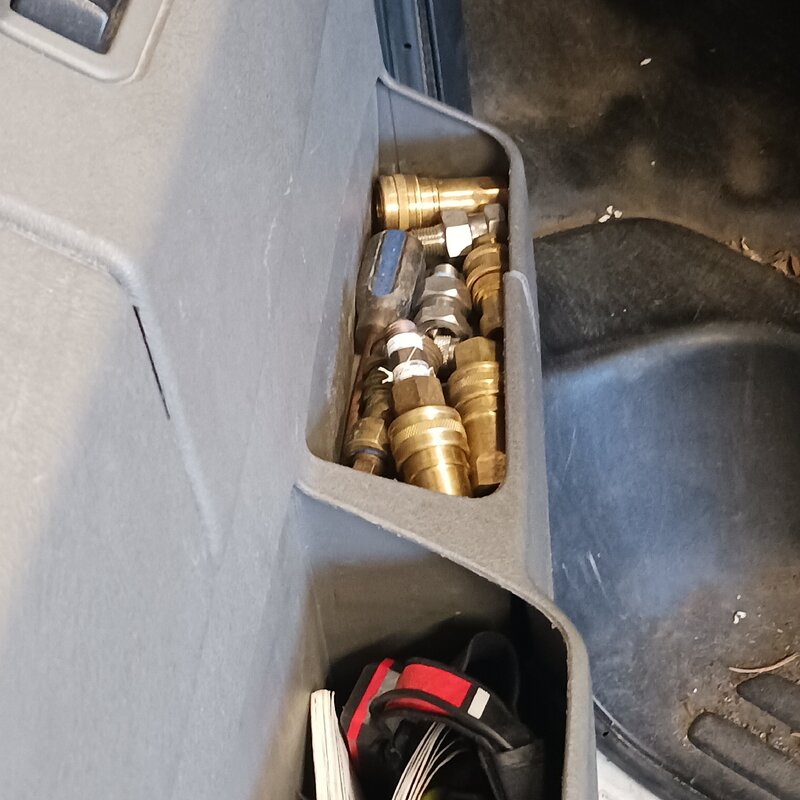
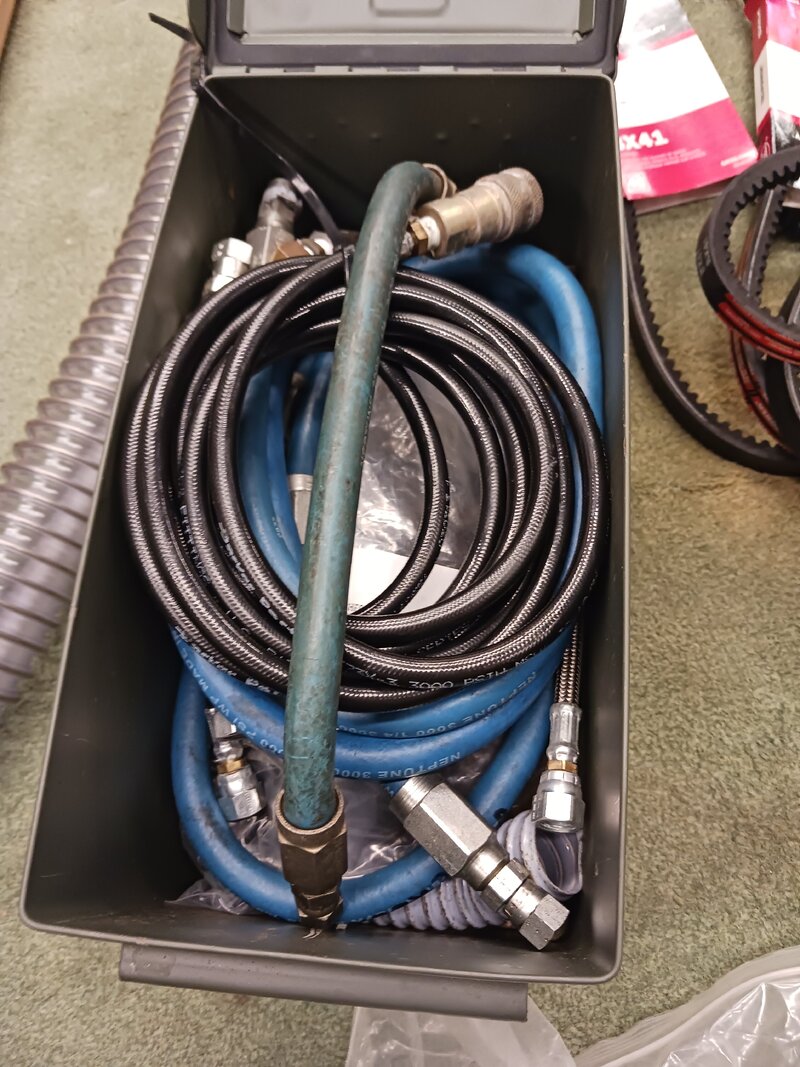
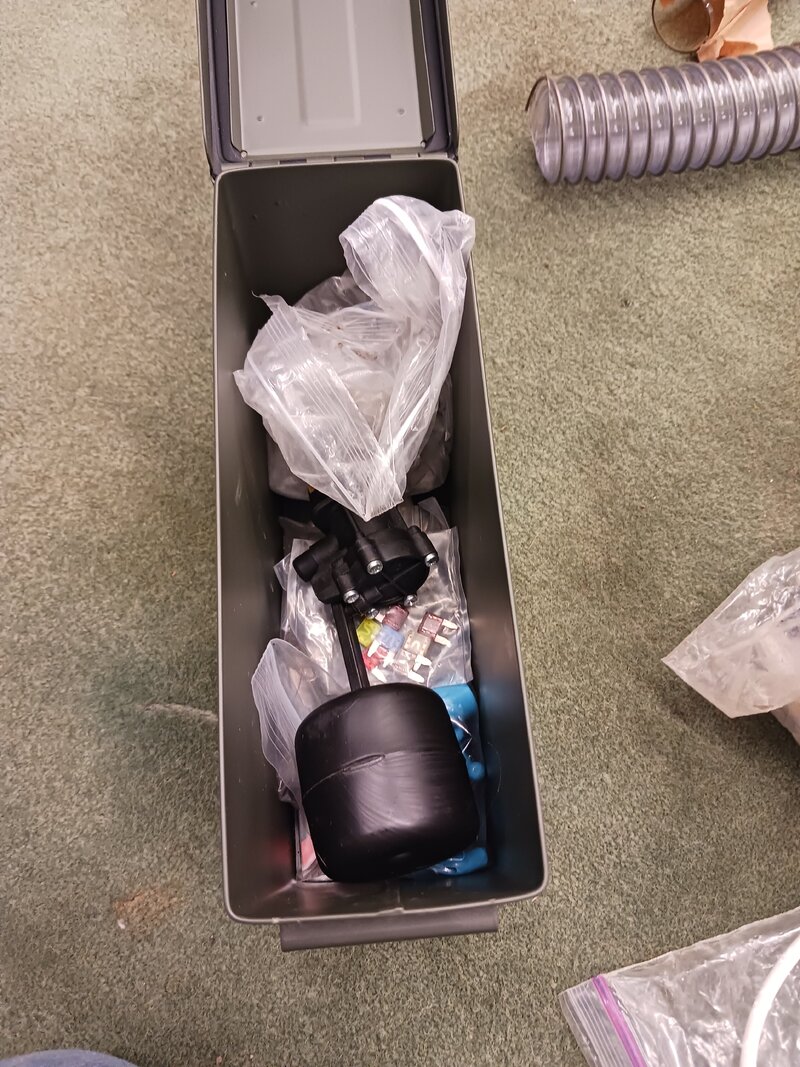
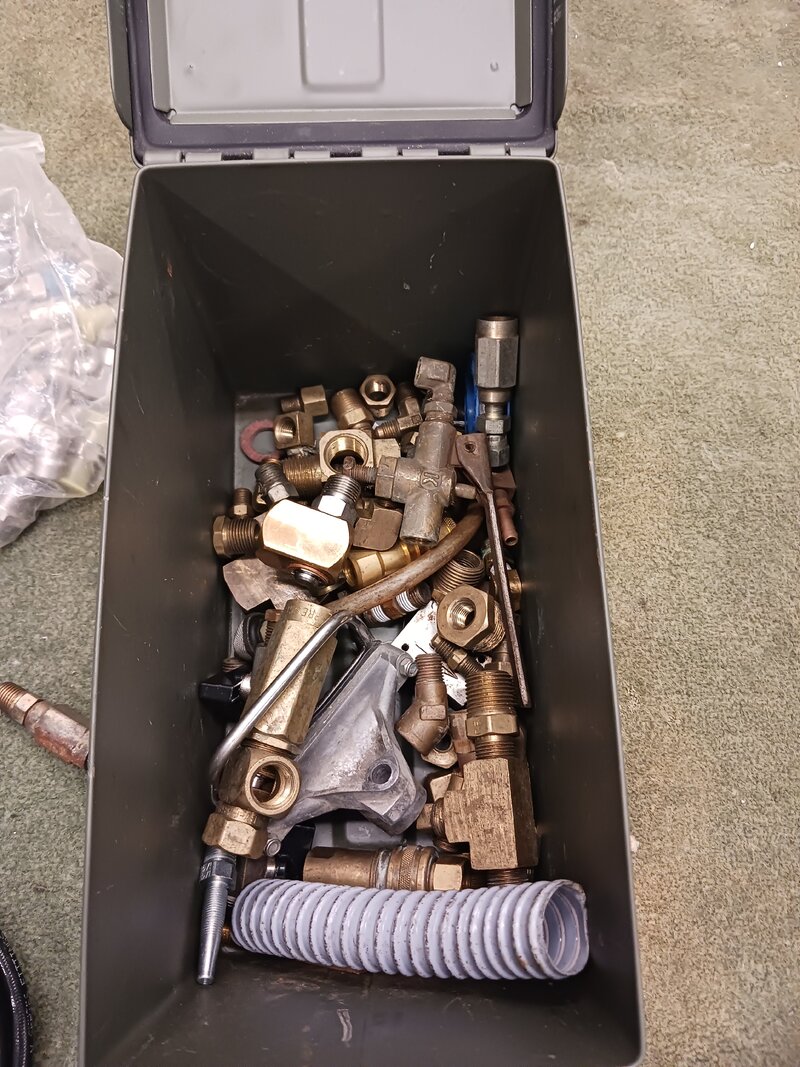
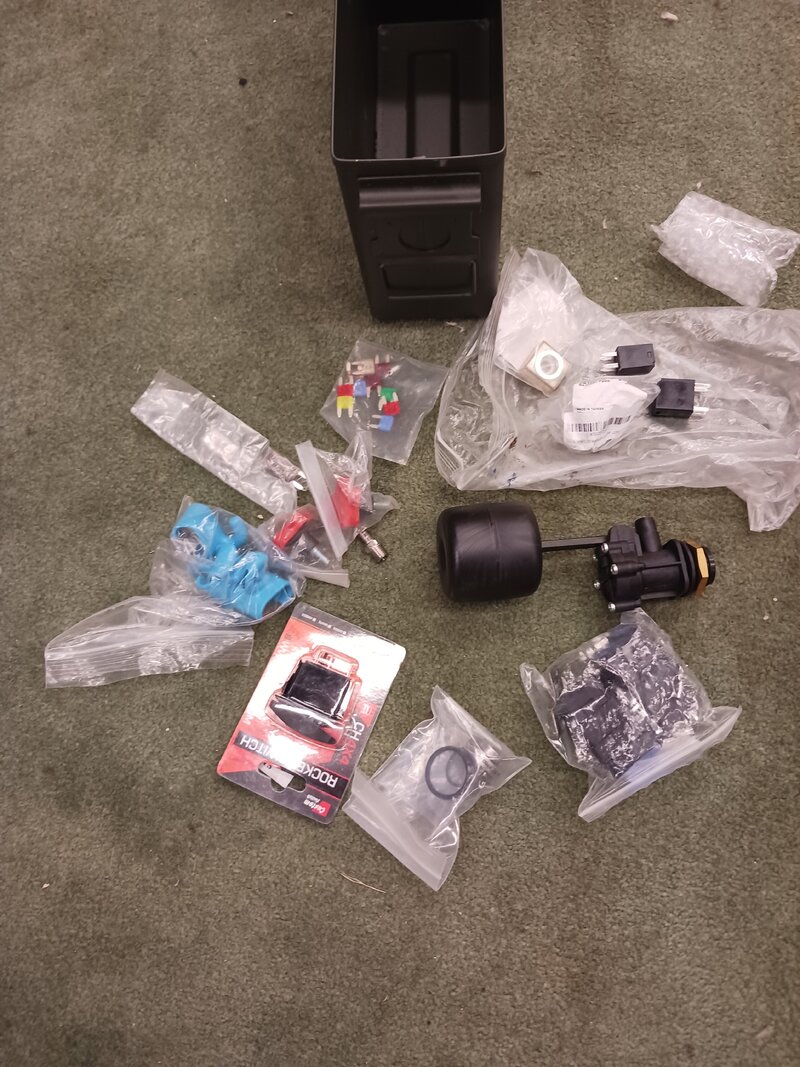
Carry a dedicated repair tote containing:
Spare Components
But you must not be helpless.
FINAL CLOSING: BUILD IT CORRECTLY
There are easier ways to earn a living.
There are faster ways to make money.
There are quieter jobs that don’t require you to drag hoses through snow, explain chemistry to strangers, or solve problems under pressure.
This is not one of them.
But for the right person, this trade offers something rare:
Control.
You control your standards.
You control your schedule.
You control your income ceiling.
If you approach this industry casually, it will grind you down.
If you approach it deliberately, it will reward you.
The operators who last 20, 30, 40 years are not the flashiest.
They are not the cheapest.
They are not the loudest online.
They are disciplined.
They identify before they act.
They price before they promise.
They document before they defend.
They invest before they expand.
They build slowly — and they stay.
Whether you choose the Lone Operator path or the Enterprise path, build it intentionally.
Know your numbers.
Respect physics.
Protect your body.
Protect your reputation.
If you do that, this will not just be a job.
It will be a craft.
And crafts, when practiced long enough and honestly enough, become legacy.
Build it correctly.
Then go to work.
Mike & Jim
Equipment does not make you professional.
But poor equipment decisions will end your business quickly.
This chapter addresses three realities:
- What to buy
- Where to store it
- How to protect it
1. The Vessel: Start With Capacity
Your vehicle is not transportation.
It is infrastructure.
Attempting to run a professional operation out of a compact van or personal hatchback limits:
- Storage
- Organization
- Efficiency
- Perception
Extended-length cargo van (Chevy Express, similar class).
Ideal Standard
High-roof extended van or cube/box truck.
Standing room increases:
- Organization
- Speed
- Ergonomics
- Longevity
2. The Freeze Factor: Where Does It Sleep?
Before purchasing equipment, answer one question:
Where will it be stored in winter?
Every year, new operators buy rigs in summer and face catastrophic freeze damage by October.
The Physics
Water expands when frozen.
Your:
- Truckmount pumps
- Heat exchangers
- Brass fittings
- Wand valves
- Portables
The Cost
Freeze damage repairs commonly range from $3,000–$8,000.
This is preventable.
Storage Requirements
Minimum:
- Insulated garage
- Climate-controlled shop
- Install a Wi-Fi temperature monitor
- Understand that space heaters and blankets are temporary solutions, not systems
3. The Cockpit: Operational Layout
Your van is a workspace — not a storage locker.
Disorganization increases:
- Setup time
- Fatigue
- Equipment damage
Do not create inaccessible voids behind reels or slide-ins.
If you cannot reach it easily, you will not use it efficiently.
Hose Management
Massive hose reels often consume unnecessary square footage.
Consider:
- Side-mount systems
- Ceiling hang systems
- Modular deployment setups
Modular Storage
Use dedicated totes for task categories:
- Grout Kit
- VLM Kit
- Stone Kit
- Spotting Kit
- Repair Kit
4. Essential Redundancy
Professionals carry backups.
Vacuum Redundancy
Two upright vacuums minimum:
- Wide-path commercial for open areas
- Residential with attachments for detail and upholstery
Protection Materials
Carry:
- Floor protection tarps
- Plastic sheeting (Visqueen)
- Furniture sliders
- Multiple air movers
5. The Field Repair System
If you own equipment, you must be capable of maintaining it.
Downtime destroys momentum.
Carry a dedicated repair tote containing:
Spare Components
- Brass fittings
- Quick-connects
- Jets
- Valve rebuild kits
- Belts and oil
- Tool hoses
- Teflon tape
- Silicone
- Glue gun
- Assorted fasteners
- Wrenches
- Screwdrivers
- Allen keys
- Pry bars
- Headlamp
- Vice grips
- Impact driver
- Hammer
But you must not be helpless.
FINAL CLOSING: BUILD IT CORRECTLY
There are easier ways to earn a living.
There are faster ways to make money.
There are quieter jobs that don’t require you to drag hoses through snow, explain chemistry to strangers, or solve problems under pressure.
This is not one of them.
But for the right person, this trade offers something rare:
Control.
You control your standards.
You control your schedule.
You control your income ceiling.
If you approach this industry casually, it will grind you down.
If you approach it deliberately, it will reward you.
The operators who last 20, 30, 40 years are not the flashiest.
They are not the cheapest.
They are not the loudest online.
They are disciplined.
They identify before they act.
They price before they promise.
They document before they defend.
They invest before they expand.
They build slowly — and they stay.
Whether you choose the Lone Operator path or the Enterprise path, build it intentionally.
Know your numbers.
Respect physics.
Protect your body.
Protect your reputation.
If you do that, this will not just be a job.
It will be a craft.
And crafts, when practiced long enough and honestly enough, become legacy.
Build it correctly.
Then go to work.
Mike & Jim